Open-source operating layer for AI coding agents
Run coding agents like a real engineering team.
SO Works is building a composable local-first stack for Codex, Claude Code, Cursor, Gemini CLI, and other agents: planning, routing, handoff, context optimization, review, memory, diagnostics, and operations.
Agents are fast. Coordination is still expensive.
The bottleneck moves from writing code to choosing context, dividing work, avoiding duplicate effort, reviewing outputs, retaining useful memory, and keeping the surrounding developer environment healthy.
Agents repeat context
Every new task can trigger another repository reread unless context, handoffs, and memory are deliberately packaged.
Parallel agents collide
Without planning, routing, ownership, and review evidence, multiple agents can solve the same problem or overwrite each other.
Operations become the bottleneck
Security, machine health, reporting, and human approval channels matter once agent usage becomes part of daily engineering work.
Understand the stack through its main product surfaces.
These pages preview the product direction while the repositories and packages are prepared for public OSS release.
Agent Workbench
Coordinate real coding-agent work without adding a hosted control plane.
- Task memory, routing, claims, prompts and handoffs
- Review, completion memory, Local Control and Desktop
- Operating layer for repeated multi-agent work
Agent Token Optimizer
Find repository context waste before your coding agent pays for it.
- Scan token-heavy and generated context locally
- Improve agent instructions, exclusions, editor hygiene and CI budgets
- Compare safe before/after repository metrics
Agent Persona
Add explicit adopter, user, security, operator, and buyer perspectives to AI review.
- Portable persona packs and reusable review groups
- README, PRD, onboarding and agent-handoff review
- Focus on incremental actionable findings rather than review noise
Agent Human Memory
Experiment with explicit, reviewable, forgettable human-like memory for agents.
- Preferences, goals, episodes and working context
- Authority, provenance, consent and forgetting boundaries
- Safety-first memory lifecycle research
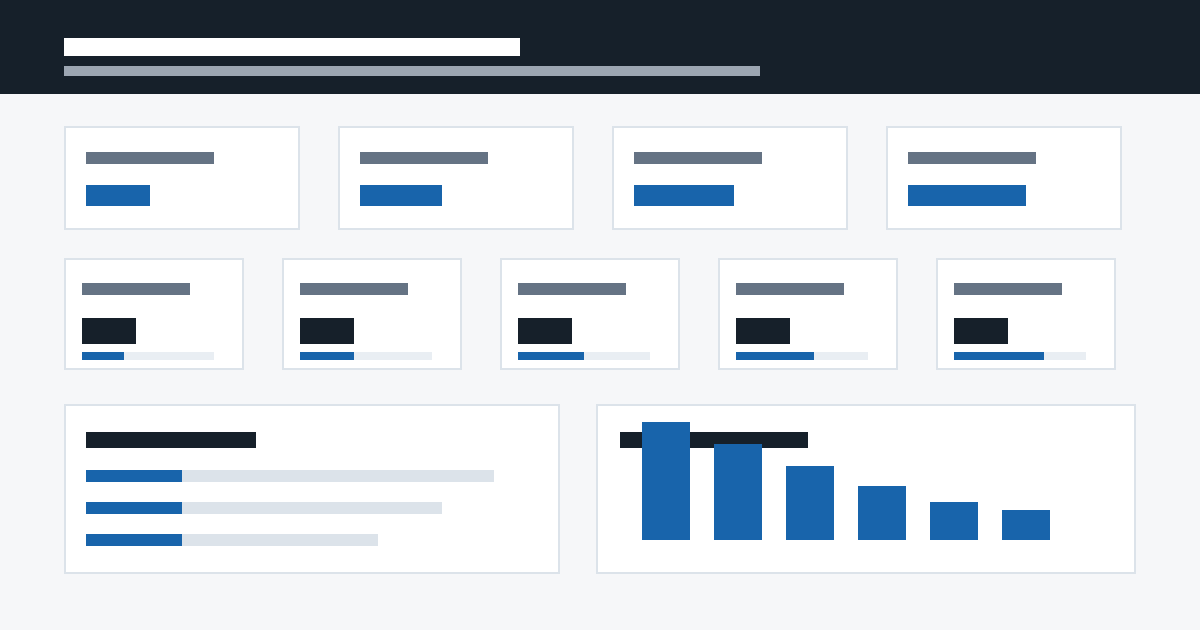
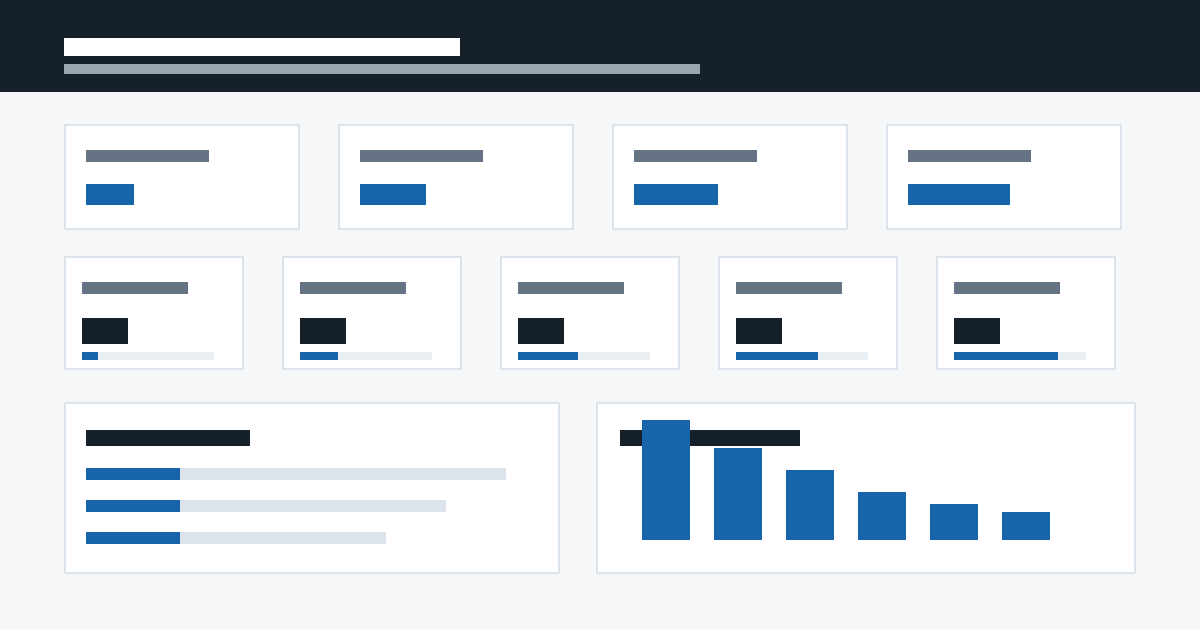
Preview the product surfaces before public release.
Existing synthetic examples communicate the workflow without exposing private repositories, source code, or operational data.
All 13 planned OSS projects are visible now.
The roadmap explains how the stack fits together while the underlying repositories remain private until release-ready.
The architecture is public before the repositories are.
SO Works will add public repository and package links project by project only after release packaging, documentation, licensing, and safety gates are ready.